
The Day Buster Outsmarted Me
My first dog, a chaotic Jack Russell Terrier named Buster, taught me everything I know about dog training by doing the exact opposite of what the manual said. I remember sitting on my kitchen floor, surrounded by shredded tissues and a half-eaten shoe, while Buster stared at me with what I can only describe as smug satisfaction. I was using all the old-school tricks. I tried the deep, booming voice. I tried the stern finger wag. None of it worked. That was the moment I realized that dog training isn't about control; it's about communication.
We often treat dogs like little furry humans who should automatically understand our rules. But they don't speak English. They speak consequence, body language, and context. If you want a well-behaved dog, you have to stop yelling and start teaching. Here's how we actually bridge that gap.
Forget the 'Alpha' Nonsense
Let's get one thing out of the way immediately. The whole 'alpha pack leader' philosophy is outdated, scientifically debunked rubbish. I still see people pin-rolling their dogs or growling at them to show dominance. Don't do this. It doesn't make your dog respect you; it just makes them terrified of your unpredictable hands.
True leadership isn't about physical intimidation. It is about controlling the resources your dog cares about—food, attention, play, and freedom.
When I work with clients today, I tell them to think of themselves as a benevolent boss. If you do your job, you get paid. If you do a great job, you get a bonus. If you sit around doing nothing, you don't get fired immediately, but you certainly don't get the cash. Dogs operate on the exact same transactional frequency. It's clean, simple, and completely stress-free for both ends of the leash.
The Secret Weapon: Marker Training
If you only take one thing from my years of trial and error, let it be this: timing is absolutely everything. If your dog sits, and you spend ten seconds fumbling in your pocket for a piece of kibble, your dog has already stood up, scratched its ear, and looked at a passing fly. By the time you give them the food, you've just rewarded them for looking at the fly.
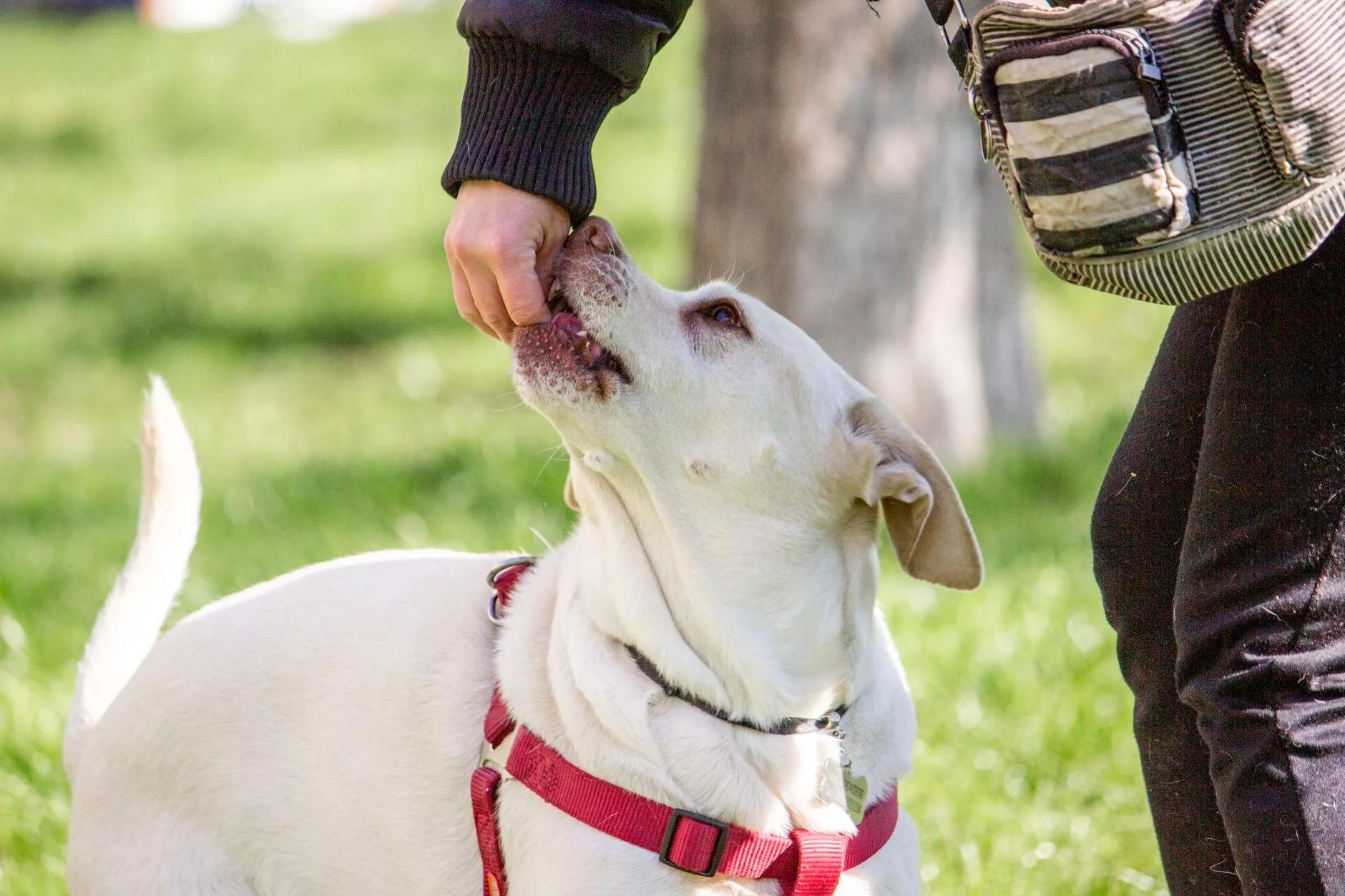
That is where markers come in. A marker is a distinct sound—either a clicker or a sharp, enthusiastic word like 'Yes!'—that tells the dog the exact millisecond they did something right. It's like taking a mental snapshot. Here is how I set this up with a new dog:
- First, we 'charge the marker'. I click or say 'Yes!', then immediately hand over a high-value treat. We do this ten times. No commands, just sound equals food.
- Once their eyes light up at the sound, we use it to capture behaviors. The second their butt hits the grass for a sit, click! Then deliver the treat. They quickly realize, 'Oh, that specific noise means I won because of what my hind legs were doing!' This is where the magic happens.
- Keep treats tiny. We aren't feeding them a full meal here. Think pea-sized bits of boiled chicken or freeze-dried beef liver. Trust me, they don't care about the size; they care about the scent.
Keep It Short, Keep It Fun
I see so many owners trying to train their dogs for an hour straight. By minute fifteen, the owner is frustrated, the dog is sniffing the carpet, and everyone is miserable. Dogs have the attention span of a toddler on espresso.
My golden rule is simple: training sessions should last no longer than three to five minutes. That's it. You can easily fit three of these sessions into your day. Do one while your morning coffee is brewing. Do another during a commercial break. Do the last one right before dinner. By keeping it short, you end the session while your dog is still begging for more, leaving them highly motivated for the next round.
When the Treats Stop Working (Dealing with Distractions)
I hear this complaint at least three times a week: 'My dog is perfect in the living room, but the second we go outside, they completely ignore me.' Here's the cold, hard truth. In your living room, you are the most interesting thing around. Outside, you are competing with squirrels, trash cans, other dogs, and a million fascinating smells. You are boring compared to a squirrel.
To fix this, you have to gradually build up what I call the distraction ladder. You can't expect a dog who just learned 'stay' in a quiet hallway to perform it at a busy dog park. You have to take baby steps. First, practice in the backyard. Then, try the front driveway. Next, move to the sidewalk outside your house. If your dog fails at a new level, don't punish them. It just means you climbed the ladder too fast. Step back down a rung, reinforce their confidence, and try again later.
Let's Talk About Leash Pulling
This is the ultimate test of human patience. Walking a dog that pulls feels like trying to anchor a small, furry freight train. Most people react by pulling back. This actually triggers a biological response called the opposition reflex—the dog's natural instinct to pull against pressure.
To break this cycle, I use a method I call 'The Tree'. The moment the leash goes taut, you stop walking. You become a statue. Do not yank the leash; just hold your ground. Wait. The dog will eventually turn around to see why the engine stopped. The very second the leash goes slack—even by an inch—say 'Yes!' and start walking again. In the beginning, you might only take two steps before you have to stop again. It's incredibly tedious. You will look ridiculous to your neighbors. But after a week of consistency, your dog will realize that pulling equals stopping, and a loose leash equals moving forward.
Remember, consistency isn't just a buzzword; it's the entire foundation of dog training. If you let them pull on the leash on Monday because you're tired, but expect them to walk perfectly on Tuesday, you're confusing them. Pick your rules and stick to them every single day. Your future self will thank you.