
The Day I Lost My Mind in the Chardonnay Aisle
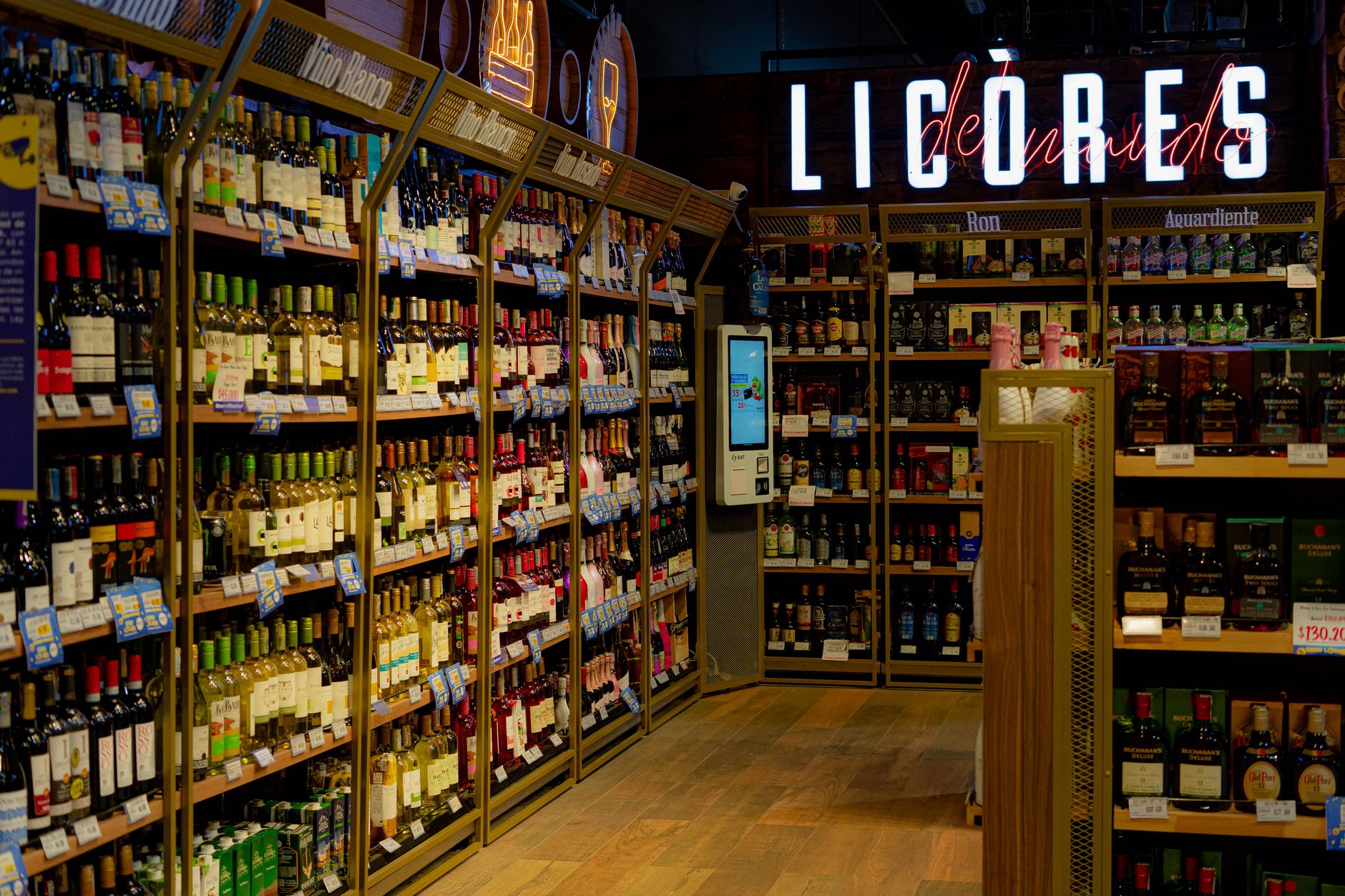
I still remember my first time stepping into a Total Wine & More. It was in the mid-2000s, and I was looking for a specific, somewhat obscure bottle of dry German Riesling to pair with a spicy Thai dinner I was cooking for friends. Walking through those sliding glass doors felt like entering a Costco dedicated entirely to vice. The air smelled vaguely of cardboard and oak. Row after row of metal shelving stretched to the ceiling, stacked high with wooden crates and cardboard cases. I stood there, utterly paralyzed by choice.
That is the Total Wine effect. It is a retail experience designed to overwhelm you, but in a way that makes you feel like an explorer. With over 250 superstores across the United States, this retail giant has fundamentally altered how Americans buy beer, wine, and spirits. It is not just a liquor store; it is a category killer that reshaped an entire industry.
The Math Behind the Massive Scale
To understand why Total Wine works, you have to look at the sheer economics of scale. Most independent bottle shops survive on a 30% to 50% markup. They have to. They do not have the volume to negotiate massive discounts with distributors. Total Wine operates on a completely different playbook. They slash prices on big-name brands—think Kendall-Jackson Chardonnay or Veuve Clicquot—sometimes selling them near cost just to get you through the door.
Once you are inside, they rely on a high-volume, low-margin model. But how do they actually make money if they are practically giving away the famous brands? That is where their proprietary sourcing comes in.
The Direct Sourcing Secret
If you have ever wandered the aisles, you have probably noticed little yellow tags that say Winery Direct or Spirits Direct. This is the crown jewel of Total Wine's business model. I used to think these were just curated recommendations from passionate staff. I was wrong.
Here is how it actually works:
- Total Wine bypasses traditional importing channels by working directly with producers, especially in Europe and South America.
- They buy massive quantities of these lesser-known labels, importing them under their own umbrella.
- Because they cut out the middleman, the profit margins on these bottles are astronomical compared to a bottle of Dom Perignon or Macallan.
'When an employee guides you away from a bottle of Yellow Tail and points you toward a Winery Direct Cabernet, they are not just being friendly. They are executing a corporate strategy.'
Does that mean these direct bottles are bad? Not at all. I have found some incredible, boutique-quality Bordeaux and incredibly complex Spanish Tempranillos under their Direct label for a fraction of what a big-brand equivalent would cost. But it does mean you need to shop with your eyes open. You are buying their house brand, even if the label looks like an ancient family estate.
How to Navigate the Aisles Like a Pro
Shopping here successfully requires a strategy. Otherwise, you end up with a cart full of random bottles you do not actually like, simply because the labels looked pretty or an over-eager clerk talked you into them.
First, ignore the endcaps. Those prime display spots at the ends of the aisles are almost always reserved for high-margin products or promotional partnerships. Instead, force yourself to walk down the middle of the aisles. Look at the bottom shelves. That is where the real bargains hide, often from smaller producers who cannot afford to pay for premium placement.
Second, use their mobile app. I always pull it up when I am in the store. It allows you to scan barcodes and see real-time customer reviews. Sometimes, the community feedback on a Winery Direct bottle is brutal, saving me from a terrible purchase. Other times, it confirms that a $12 bottle is a total steal.
The Beer and Spirits Sandbox
While wine is in the name, their beer and spirits selection is equally massive. The craft beer section is a playground. They allow you to build your own six-pack, which is how I discovered half of my favorite local breweries. It is a brilliant way to try expensive IPAs and stouts without committing to a full four-pack that might end up sitting in your fridge forever.
In the spirits section, the private label strategy is just as active. You will find brands like Tower Vodka or Grangestone Scotch. These are Spirits Direct items designed to look like premium, independent brands. Some, like their high-proof bourbons, are actually sourced from highly respected distilleries and offer phenomenal value. Others are just cheap spirit in a fancy bottle. It takes some trial and error to figure out which is which.
Why I Still Keep Going Back
Despite knowing all the retail tricks they use, I still find myself pulling into the parking lot of my local Total Wine on a regular basis. Why? Because the convenience is unbeatable. If I need a rare Belgian quadrupel, a decent bottle of sake, a pack of craft soda, and a box of decent cigars for a weekend BBQ, there is literally nowhere else I can go to get all of that in a single stop.
It is a corporate giant, sure. It has put some fantastic local shops out of business, which is a tragedy. But as a consumer navigating a world where inflation has driven the cost of dining out through the roof, having access to a warehouse that sells decent wine at wholesale prices is hard to resist. Just remember to read the labels, trust your palate, and do not be afraid to say no to the yellow tags if you already know what you want.